 Ultimate guide
Landlord Emergency Plumbing Service: What to Do When Pipes Fail
Quick Summary
A landlord emergency plumbing service handles active leaks, burst supply lines, sewage backups and failed heating in a rental, and should be called right away. Acknowledge each report in writing the same day, and keep records of the tenant's report, the technician's invoice and before-and-after photos.
- Active leaks, burst supply lines, sewage backups and a stopped furnace in cold weather count as emergencies.
- Slow drains, dripping taps and running toilets are repairs that can be booked for regular hours.
- Acknowledge every tenant report in writing the same day and record the time.
- Give tenants a clear emergency contact route separate from routine repair requests.
- Keep the tenant's report, your acknowledgment, the technician's invoice and before-and-after photos.
Table of Contents
- What Counts as a Plumbing Emergency in a Rental Property
- Landlord Plumbing Responsibilities Under British Columbia Tenancy Rules
- Your Landlord-Ready Emergency Response Workflow
- Tenant Plumbing Emergency Checklist to Share With Renters
- Tenant Plumbing Repair Request Template
- Who Pays for Emergency Plumbing Repairs
- Choosing an Emergency Plumbing Provider in Vancouver
- Rental Property Plumbing Maintenance to Prevent Emergencies
- Book Your Emergency Plumbing Service Now
- Frequently Asked Questions
What Counts as a Plumbing Emergency in a Rental Property
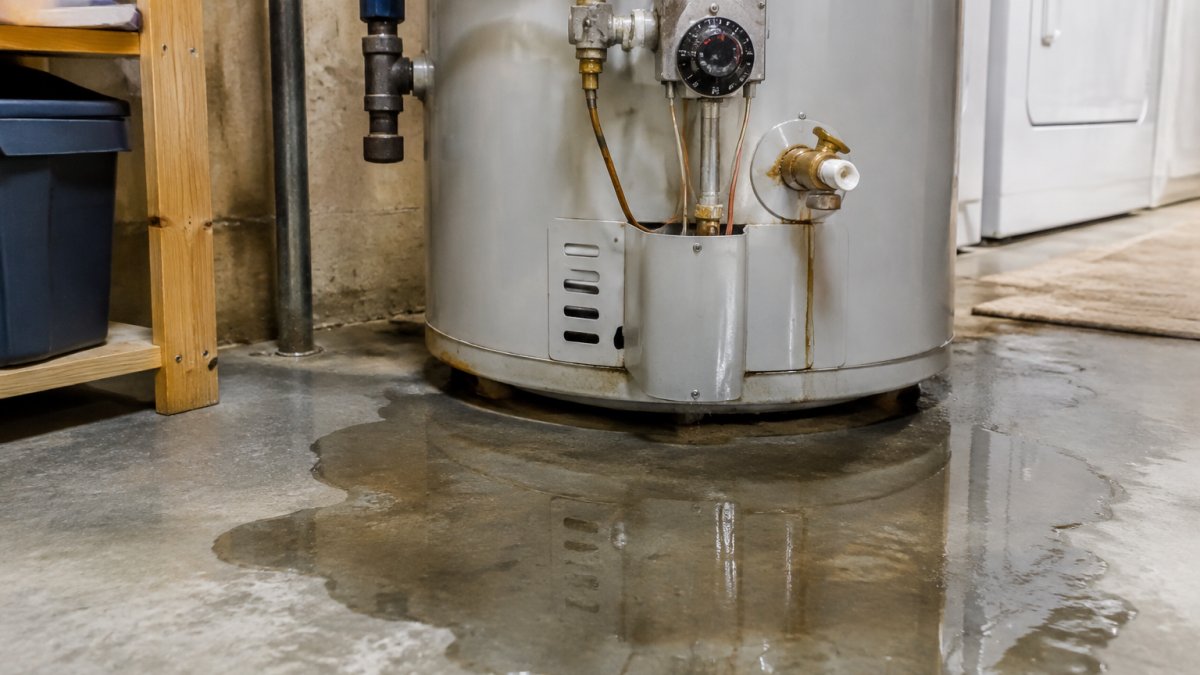
A plumbing emergency is any water, drain or heating failure that is causing damage now or will cause damage within hours. In a rental, the tenant may not know whether a problem is urgent, so the landlord needs a clear line. Active leaks from ceilings or walls, burst supply lines, sewage backing up into fixtures, a toilet that will not stop running onto the floor and a water heater leaking at the base all qualify. So does a furnace that has stopped in cold weather, because frozen pipes can split within hours.
Slow drains, a dripping tap and a running toilet that stops with a jiggle are repairs, not emergencies. They still need booking, but they can wait for regular hours. Tenants often report these as urgent, so a short written guide helps everyone sort the two quickly.
Water shut-off knowledge matters most in an emergency. Tell tenants where the main shut-off and any unit shut-off valves are located, and mark them on the move-in checklist. Stopping the water quickly can limit the damage from a burst line.
The article draws a clear line between urgent failures and repairs that can wait for regular hours.
| Situation | Category | Action |
|---|---|---|
| Active leak from ceiling or wall | Emergency | Call now |
| Burst supply line | Emergency | Call now |
| Sewage backing up into fixtures | Emergency | Call now |
| Furnace stopped in cold weather | Emergency | Call now |
| Slow drain | Repair | Book for regular hours |
| Dripping tap | Repair | Book for regular hours |
| Running toilet that stops with a jiggle | Repair | Book for regular hours |
Landlord Plumbing Responsibilities Under British Columbia Tenancy Rules
Landlord plumbing responsibilities in British Columbia come from the Residential Tenancy Act, Province of British Columbia. In general, the landlord must provide and maintain the rental unit in a state that complies with health, safety and housing standards, and must make repairs needed to keep the unit suitable for occupation. Pipes, fixtures, the water heater and the heating system generally fall under that duty.
Tenants have their own obligations. They are expected to keep the unit clean and to report damage promptly, and they are generally responsible for damage they or their guests cause, such as a drain blocked by hair or objects flushed down a toilet. Putting that distinction in writing avoids most disputes about who pays.
The part most landlord guides skip is how the Act treats emergency repairs. The Residential Tenancy Branch guidance on repairs and maintenance sets out a specific emergency-repair route: if the landlord does not make an emergency repair after being notified, the tenant may be able to arrange the repair, pay for it, and recover the cost from the landlord, subject to the conditions and limits in the Act and the Branch's guidance. That route is narrow, but it changes how a landlord should handle the first call.
Translate that into practice with four habits:
- Acknowledge every report in writing the same day. A dated text or email that says what the tenant reported, what you are doing and when a technician will attend creates the record the Branch expects to see if a dispute arises.
- Treat active water, sewage and heat failures as emergency repairs. Dispatch a licensed plumber or heating technician rather than scheduling a routine visit. Delay is what turns a repair into a damage claim.
- Give the tenant a clear emergency contact route. If the tenant cannot reach anyone, the tenant may reasonably conclude the landlord has failed to respond, which is when the tenant-arranged route becomes relevant.
- Keep the paper trail. Save the tenant's report, your acknowledgment, the technician's invoice and notes, and photos of the before-and-after condition. The Branch and any insurer will ask for these.
Watch out: the emergency-repair provisions have specific conditions, so do not rely on a summary. Check the current text of the Act and the Branch guidance before drafting tenancy agreements, and treat this article as general information rather than legal advice.
Your Landlord-Ready Emergency Response Workflow
Speed decides how much damage an emergency causes. A simple, written workflow means the first call to an emergency plumbing service is made within minutes, not after an hour of uncertainty.
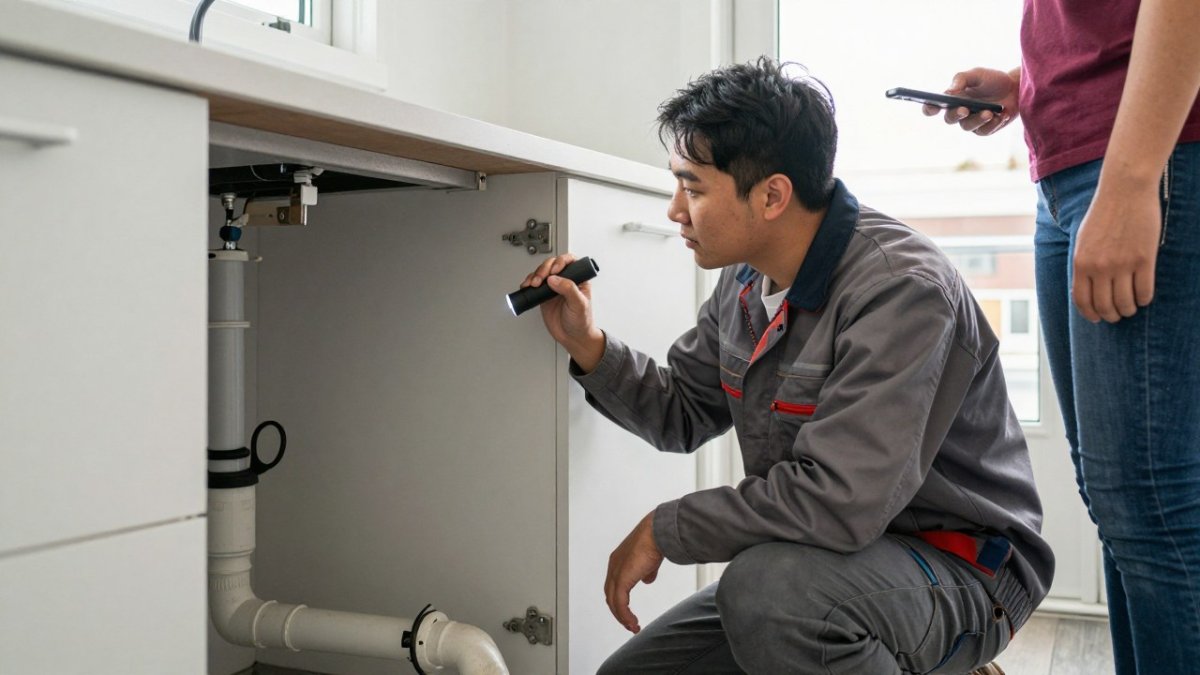
Start by giving tenants one contact route for emergencies, separate from routine requests. Then work through these steps in order:
- Stop the water. Confirm the tenant has closed the unit shut-off or, if needed, the building main.
- Make the area safe. Move electrical cords and any electrical equipment away from standing water, and turn off power to affected circuits if water is near outlets.
- Document the damage. Ask the tenant to take dated photos and video before cleaning up. This protects both parties and supports insurance claims.
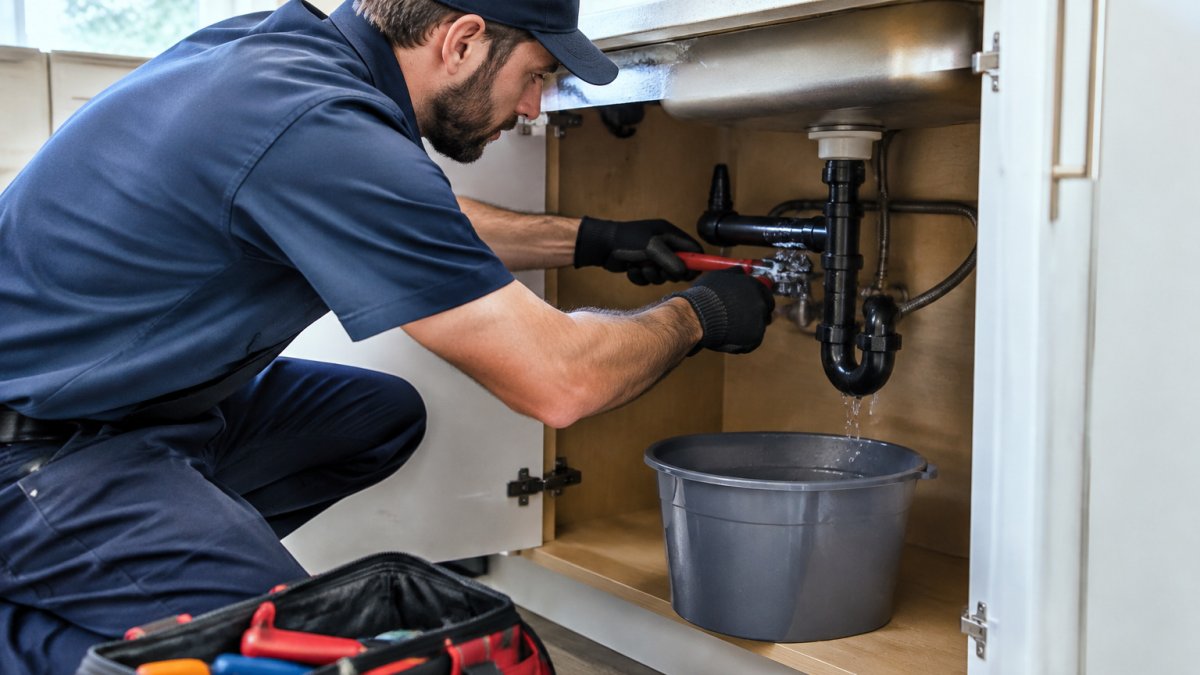
- Call a licensed plumber. Give the technician the address, access instructions and a clear description of the problem.
- Record what was done. Keep the invoice, the technician's notes and a note of the time each step happened.
Share this workflow with tenants so they know what to expect. Tell them the landlord will arrange service and what they should do while waiting.
Tenant Plumbing Emergency Checklist to Share With Renters
Give every tenant this checklist at move-in and keep a copy on file. Print it, put it on the fridge and include it in your lease package.
- Know where the unit shut-off valve for water is, and how to close it
- Know where the water heater shut-off and the furnace power switch are
- Call the emergency number for any active leak, flooding, sewage backup or heating failure
- Move valuables and electronics away from water and do not step into standing water near outlets
- Take photos and video of the damage before cleaning up
- Do not pour chemical drain cleaners into a backed-up drain
- Note the time the problem started and what you observed
Tenant Plumbing Repair Request Template
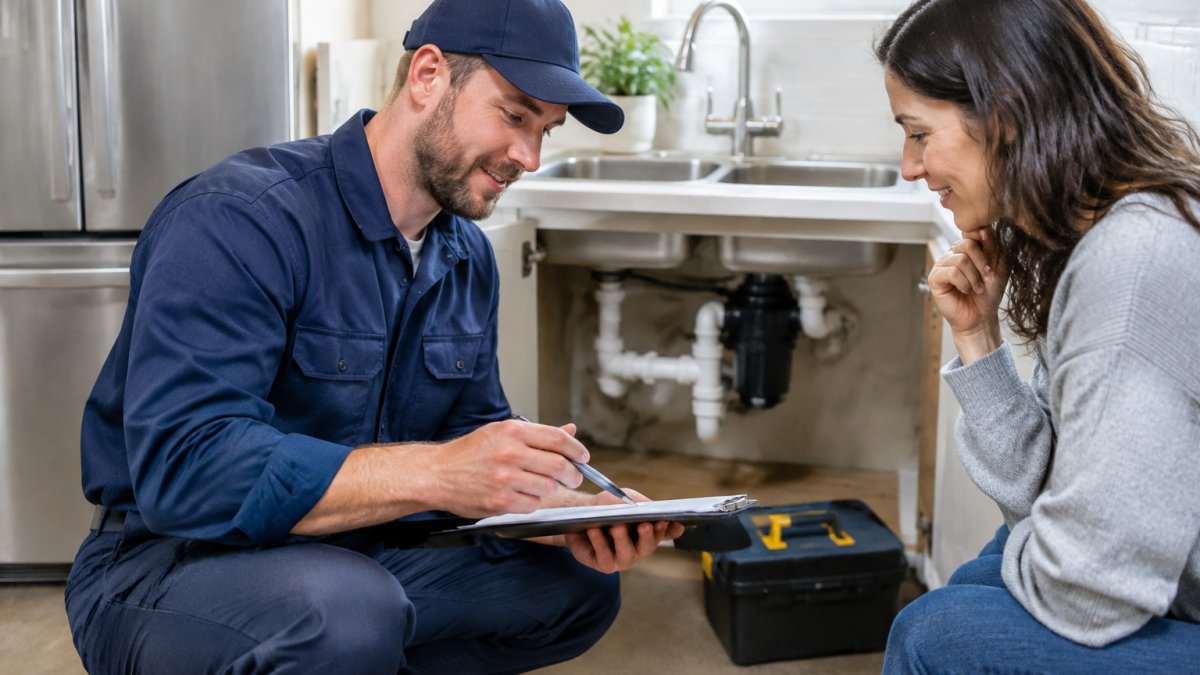
Ask tenants to use this template for every request. It makes triage faster and the record clearer.
Subject: Plumbing repair request, [Unit number], [Date]
Name: [Tenant name] Unit address: [Address and unit] Phone: [Best number to reach you] Best time to access the unit: [Days and hours] Problem: [Describe what you see, hear or smell, for example "water pooling under the kitchen sink"] When it started: [Date and time] Is water actively leaking? [Yes or no] Have you shut off any water? [Yes, which valve, or no] Photos attached: [Yes or no]
Emergency? [Yes, if water is leaking, flooding or the heat is out in cold weather. No, if it is a slow drain or a dripping tap.]
Who Pays for Emergency Plumbing Repairs
The general rule is that the landlord pays for repairs to the building's plumbing and heating systems, and the tenant pays for damage they cause. The dividing line depends on cause, not on how urgent the problem feels.
A pipe that fails from age, a failed water heater and a furnace breakdown are usually the landlord's cost. A drain blocked by hair, grease or a flushed item is more often the tenant's responsibility, and the tenant may be asked to pay the call-out. Water damage that spreads to other units or building materials can create claims under the landlord's property insurance, so keep your documentation complete and send copies to your insurer promptly.
Cost mechanics matter as much as the cause rule. Ask the provider to explain its billing structure in writing before dispatch, including any call-out fee, after-hours charges, and how a second visit would be billed if the first diagnosis is incomplete. Confirm these terms before you approve the work.
On the tenancy side, the Residential Tenancy Branch guidance on repairs and maintenance is the reference point. If a landlord fails to make an emergency repair after notice, the tenant may be able to arrange the repair, pay for it and recover the cost, subject to the conditions and limits in the Act. That is why a written acknowledgment and a dispatch time matter: they show the landlord responded, which keeps the dispute on the landlord's terms rather than the tenant's.
Agree on these points in the tenancy agreement and in your repair request form:
- Who is the first call for an emergency, and what response time the landlord commits to
- That the landlord arranges and pays for emergency repairs to building systems
- That the tenant may be billed for damage caused by the tenant or guests, including blocked drains
- How the tenant should document the problem before cleanup
- That the tenant must not arrange a repair independently without following the Act's emergency-repair route
Watch out: do not promise a specific dollar figure or a blanket 'tenant pays all call-outs' term in the lease. The Act and the Branch guidance govern what can be recovered, so check the current rules before drafting. Clear terms reduce arguments when an invoice arrives, but they must track the current rules.
Choosing an Emergency Plumbing Provider in Vancouver
A reliable emergency provider can make the difference between a contained repair and a larger one. When comparing providers, check these points before you need them:
- After-hours availability. Confirm the company answers calls outside business hours and what they charge for after-hours call-outs.
- Licensing and insurance. Ask for proof of plumbing licensing and liability insurance.
- Response time. Ask what the typical arrival window is for emergencies in your area.
- Pricing transparency. Ask for a written quote before work begins and find out how billing works for extra work.
- Guarantees. Ask what is covered after the job and for how long.
- Rental experience. Providers who regularly serve multi-unit buildings understand access, documentation and tenant communication.
Keep the name and number of your chosen provider on file for every property, and test the route once before an emergency occurs.
Rental Property Plumbing Maintenance to Prevent Emergencies
Most emergencies start as small problems that were ignored. Scheduled maintenance catches them early and costs far less.
Schedule these checks at least once a year for each unit:
- Inspect supply lines and the connections under sinks and toilets for drips, staining or corrosion
- Test every shut-off valve and replace any that are stuck or leaking
- Flush the water heater and check the pressure relief valve and anode condition
- Service the furnace before the heating season and check the condensate line for clogs
- Check exterior hose bibs and insulate exposed pipes in unheated spaces before freezing weather
Ask tenants to report slow drains and small leaks immediately, and make a clear policy that routine small repairs are handled within a set number of business days. Prompt small repairs prevent most of the emergency calls a landlord would otherwise receive.
Book Your Emergency Plumbing Service Now
A plumbing failure in a rental does not wait for business hours, and neither does the damage. Peace of Mind Plumbing & Heating Ltd. provides 24/7 emergency plumbing and heating service across Greater Vancouver, with honest fixed pricing and a 12-month guarantee on all work.
For current pricing, visit the pricing page on our website or request a quote. When the next emergency happens, request service online or call us directly to get a technician on the way.
Frequently Asked Questions
What counts as a plumbing emergency in a rental property?
A plumbing emergency is any problem that threatens water damage, health, or the unit's basic function and needs same-day attention. Common examples include a burst or leaking supply line, a sewage backup, a toilet that will not stop running and floods, a complete loss of hot water, or no water at all. Slow drains and dripping faucets are urgent enough to schedule quickly but usually are not emergencies. When in doubt, have the tenant shut off the water at the nearest valve and call. Acting fast limits damage, and documenting the issue with photos protects both parties.
Who is responsible for emergency plumbing repairs in a rental unit?
Under British Columbia's Residential Tenancy Act, landlords are responsible for maintaining the rental unit in a state of repair that complies with health, safety and housing standards. That generally includes the building's plumbing, drains and water supply. Tenants are responsible for damage they or their guests cause, such as a blockage from flushing wipes or grease. Check the tenancy agreement and the Residential Tenancy Branch guidance for the details that apply to your specific property.
How quickly should a landlord respond to a plumbing emergency?
Respond the same day the tenant reports an emergency, ideally within the first hour. Confirm the report, ask the tenant to shut off the water if it is safe, and dispatch a licensed plumber immediately. A 30-minute response on the phone and a same-day site visit are reasonable targets for active leaks. Keep a written log of the time of the report, the time the plumber was called and the time work started, since this record matters if a dispute over damage comes up later.
Should tenants call a plumber directly in an emergency?
Tenants should first try to contain the problem by shutting off the water at the fixture or the main valve and notifying the landlord right away. If the landlord cannot be reached and water damage is spreading, the tenant may need to call a plumber to stop it. Keep the invoice and receipts and report the call to the landlord in writing. Set this expectation in advance in the tenancy agreement and share an emergency contact sheet, so tenants know exactly who to call and when.
What information should a tenant provide when reporting a plumbing problem?
A useful report includes the unit address, the exact location of the problem, what is happening (leak, backup, no hot water), when it started, whether water is still running, and whether the tenant has shut off the water. Photos or a short video help a great deal. The tenant should also say whether anyone is at risk, such as from electrical contact with water. A written report through a standard repair request form creates a dated record for both parties.
How can landlords prevent recurring drain and plumbing emergencies?
Schedule routine inspections of water heaters, supply lines and drains, and replace aging flexible supply hoses before they fail. Educate tenants on what not to flush or pour down drains, such as wipes, grease and coffee grounds. Install leak detectors in high-risk areas like under sinks and near water heaters. Keep a maintenance log for each unit, so recurring problems show up early and get fixed at the source rather than repeatedly patched.